
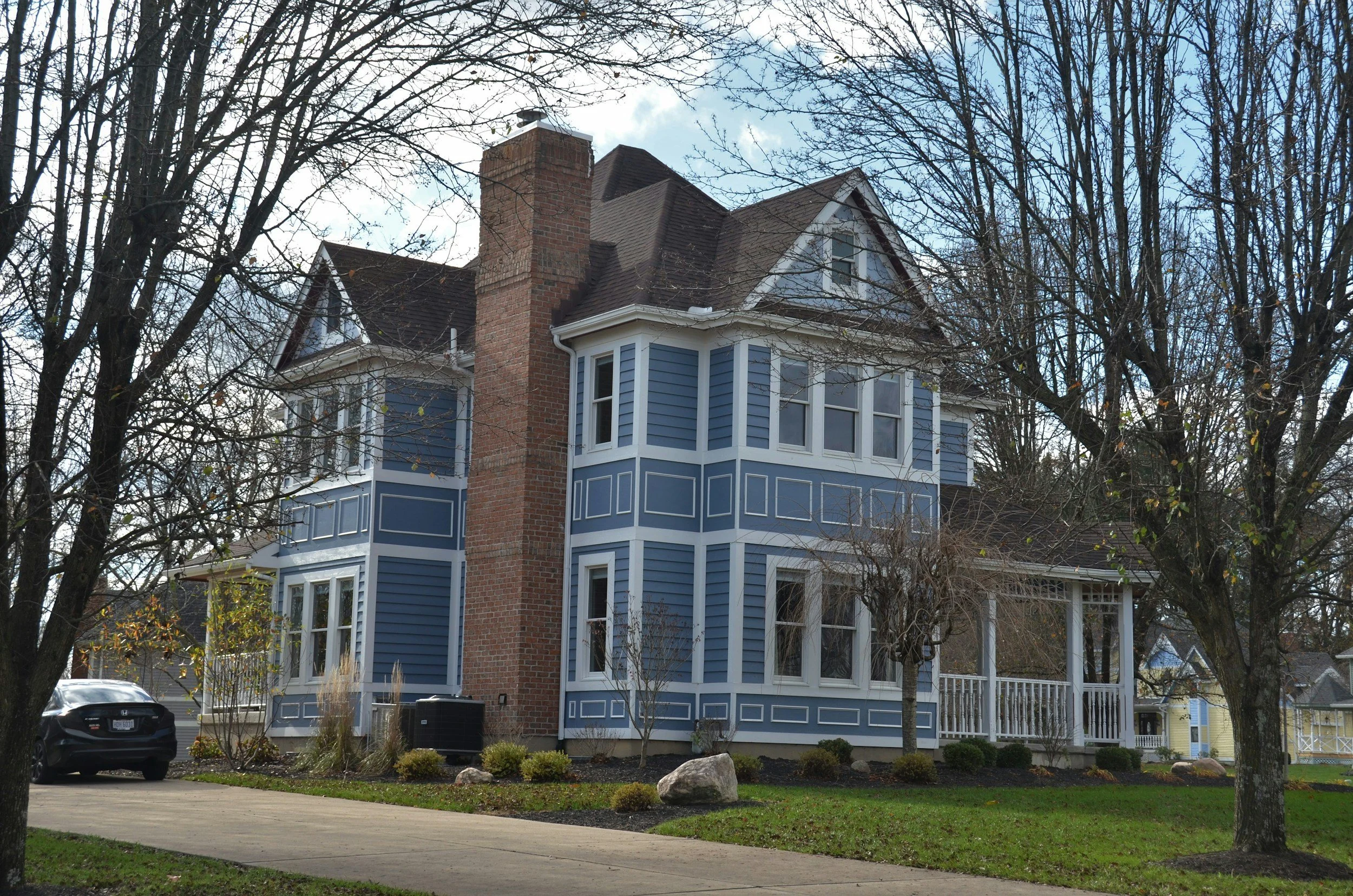
The multifamily home inspection is a visual and non-invasive property inspection in accordance with the governing state’s Standards of Practice. For discerning clients, there is an option to add-on a Preservation Assessment and Follow-on Consultation.
Multifamily Home Inspection
What is included in a Multifamily Home Inspection?
Multi-Family Home Inspections begin with a base fee that covers the first two units. Each additional unit is included at an incremental cost, reflected in the final fee.
Every home inspection includes a detailed written report outlining the findings. Observations are categorized as Maintenance items, Repair or Replace items, or Safety Hazards.
Multifamily Home Inspections include the following major systems or components, unless otherwise agreed upon prior to the inspection.
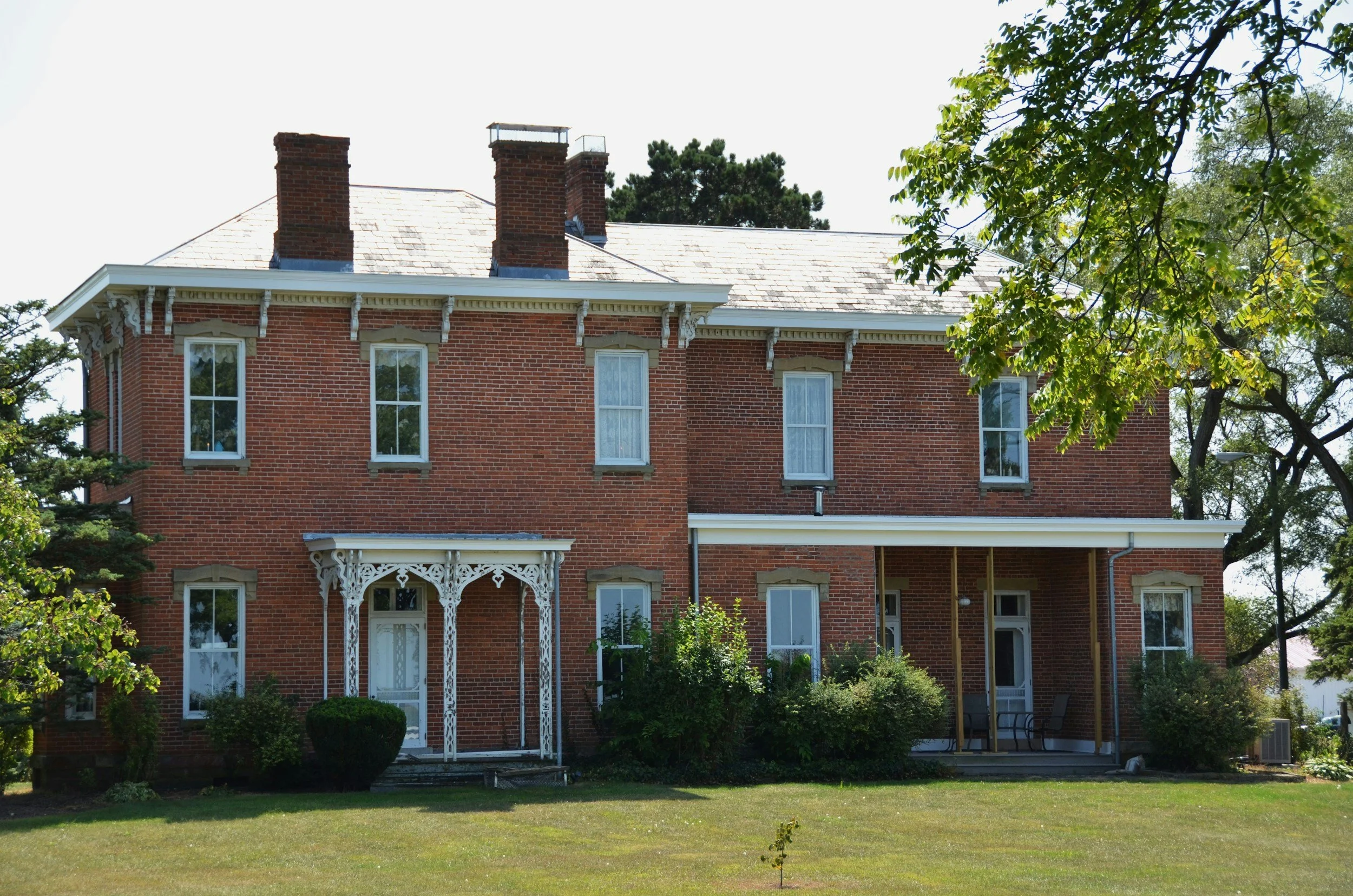
-
The inspector evaluates roofing materials, flashing, drainage components (gutters and downspouts), visible roof structure, and penetrations (e.g., chimneys, skylights).
Historic Home Considerations:
Slate, clay tile, or wood shingle roofing
Original copper or tin flashing
Built-in or wood-lined box gutters
-
The inspection includes siding, trim, windows, doors, porches, decks, steps, eaves, and grading around the foundation.
Historic Home Considerations:
Clapboard, shiplap, or wood shingle siding
Original wood windows and decorative trim
Lime-based mortars and historic masonry (brick, stone, stucco)
Settling or foundation cracks in stone rubble foundations
-
The visible foundation, framing, floor structure, attic framing, and load-bearing elements are inspected for performance, damage, and water intrusion.
Historic Home Considerations:
Hand-hewn or balloon framing
Brick piers or stone rubble foundations
Signs of prior repairs or shoring
Evidence of termite or rot damage in older lumber
-
Inspection includes the main service panel, branch wiring, visible outlets and switches, grounding, and overall safety.
Historic Home Considerations:
Knob-and-tube or cloth-insulated wiring
Outdated fuse boxes or ungrounded systems
Inadequate amperage for modern loads
Lack of GFCI/AFCI protection in wet or high-use areas
Note for Rhode Island Clients: In accordance with Rhode Island law, licensed home inspectors are not permitted to remove the dead front cover of the electrical panel during an inspection. We offer a comprehensive Electrical Inspection with a Licensed Electrician for an additional fee.
-
The visible plumbing supply and waste lines, fixtures, water heater, and venting are inspected for leaks, function, and deterioration.
Historic Home Considerations:
Lead supply lines or cast iron drain pipes
Historic cisterns or private wells
Presence or signs of abandoned underground oil storage tanks
-
The inspector reviews heating systems (furnaces, boilers, fireplaces) and central or ductless air conditioning where present, including visible ductwork and thermostats.
Historic Home Considerations:
Older steam or hot water radiator systems
Potential asbestos insulation at heating distribution systems
-
Walls, ceilings, floors, stairways, railings, and permanently installed fixtures are reviewed for structural integrity, damage, or deterioration.
Historic Home Considerations:
Original plaster walls and ceilings
Wide plank or tongue-and-groove hardwood flooring
Decorative millwork, wainscoting, or pressed metal ceilings
Settling or slope in flooring due to age or structural movement
-
The inspector observes accessible insulation in attics and crawlspaces, and assesses ventilation for attics, roof structures, and exhaust systems.
Historic Home Considerations:
Historic insulation materials or presence of original materials (e.g., balsam wool, vermiculite)
Poor attic or crawlspace ventilation contributing to moisture issues
-
While not required by the standards of practice, the inspection includes the following appliances when present:
Range or oven (gas or electric)
Built-in microwave
Dishwasher
Garbage disposal
Functionality, visible condition, and installation are noted, though these appliances are not tested to manufacturer specifications.