
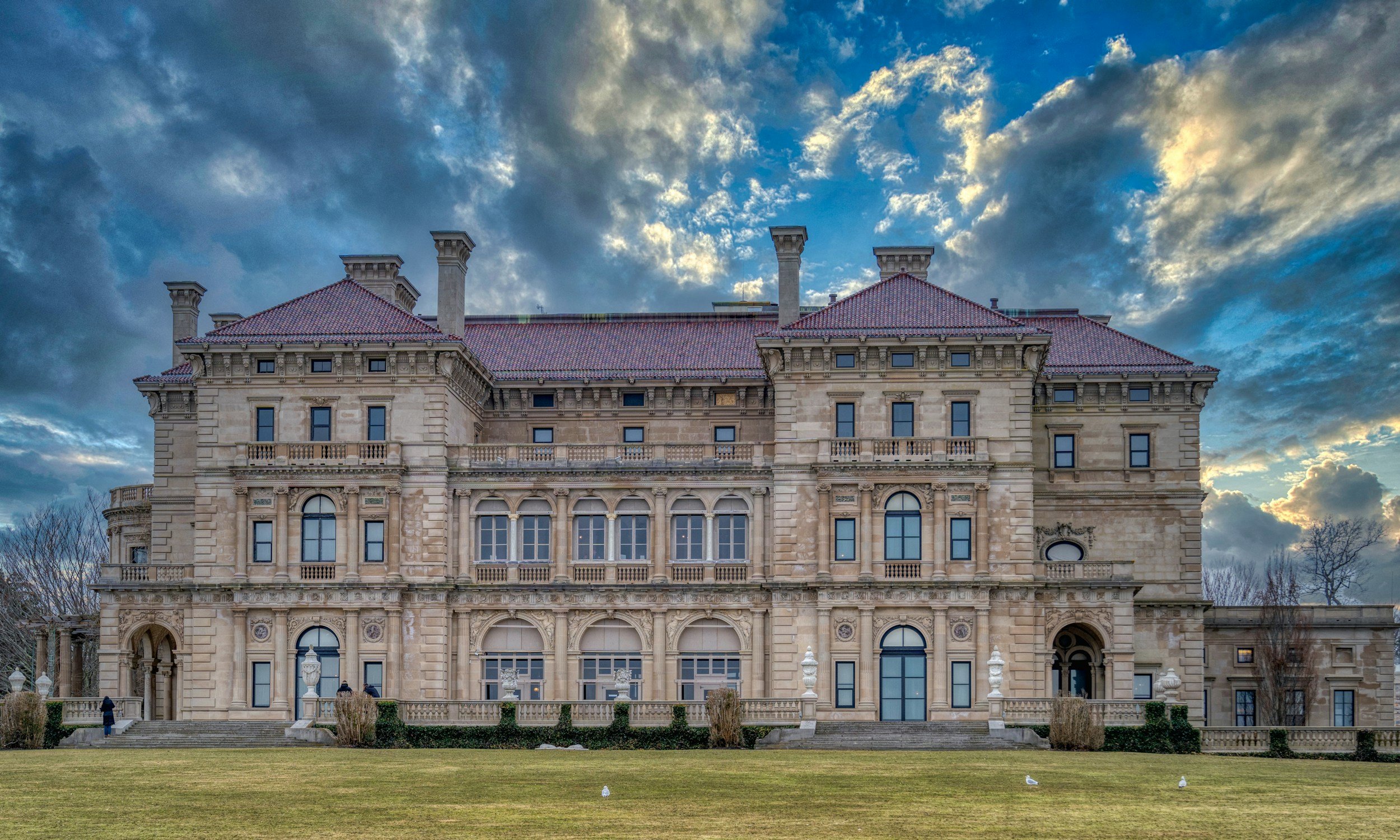
Historic Preservation Assessment
Owning a historic home is both a privilege and a responsibility.
The Historic Preservation Assessment draws upon guidance from the National Park Service’s Preservation Briefs to identify and recommend appropriate maintenance and preservation practices for historic features. Below are the key categories included in the assessment, each linking to targeted preservation strategies.preservation strategies.
Note: The Historic Preservation Assessment is a separate resource from the Home Inspection Report. While the home inspection focuses on the condition of systems and components, the preservation assessment offers expert guidance to help homeowners understand and care for the historically significant features of their property.
-
Wood Shingle Roofs (Brief 19): Identifies the presence of traditional wooden shingles and outlines best practices for preservation.
Slate Roofs (Brief 29): Notes the use of slate roofing and provides guidance for its long-term care.
Clay Tile Roofs (Brief 30): Documents historic clay tile roofing and suggests compatible preservation approaches.
Flat Roofing (Brief 21): Highlights the presence of flat roof systems and their architectural context.
Lightning Protection (Brief 50): Provides guidance on integrating lightning protection in a preservation-sensitive manner.
-
Cleaning and Water-Repellent Treatments (Brief 1): Offers recommendations for gentle and appropriate cleaning techniques.
Repointing Mortar Joints (Brief 2): Suggests compatible mortar materials and methods for maintaining masonry integrity.
Abrasive Cleaning Dangers (Brief 6): Advises on avoiding harmful methods that can damage historic surfaces.
Historic Concrete and Cast Stone (Briefs 15 & 42): Identifies original concrete and cast stone elements with suggestions for proper care.
Graffiti Removal (Brief 38): Recommends safe removal techniques that preserve underlying materials.
Moisture Control (Brief 39): Provides preservation-focused strategies for managing moisture in historic materials.
-
Wooden Windows (Brief 9): Identifies historic wood windows and outlines approaches for their preservation.
Steel Windows (Brief 13): Notes original steel windows and shares guidance on improving energy efficiency without loss of character.
Stained and Leaded Glass (Brief 33): Highlights historic glazing features and preservation considerations.
Storefronts (Commercial) (Brief 11): Identifies historic storefronts where applicable and offers preservation options.
-
Exterior Paint and Woodwork (Brief 10): Provides preservation guidance for traditional painted wood surfaces.
Historic Stucco (Brief 22): Notes the presence of traditional stucco and offers recommendations for compatible treatments.
Log Buildings and Adobe (Briefs 5 & 26): Identifies these unique materials and references best preservation practices.
Cast Iron and Metal Cladding (Briefs 27 & 49): Highlights architectural metal features with care recommendations.
Pigmented and Structural Glass (Brief 12): Identifies historic glass wall panels and guidance for preservation.
Substitute Materials (Brief 16): Helps distinguish between original and replacement materials and recommends appropriate alternatives.
-
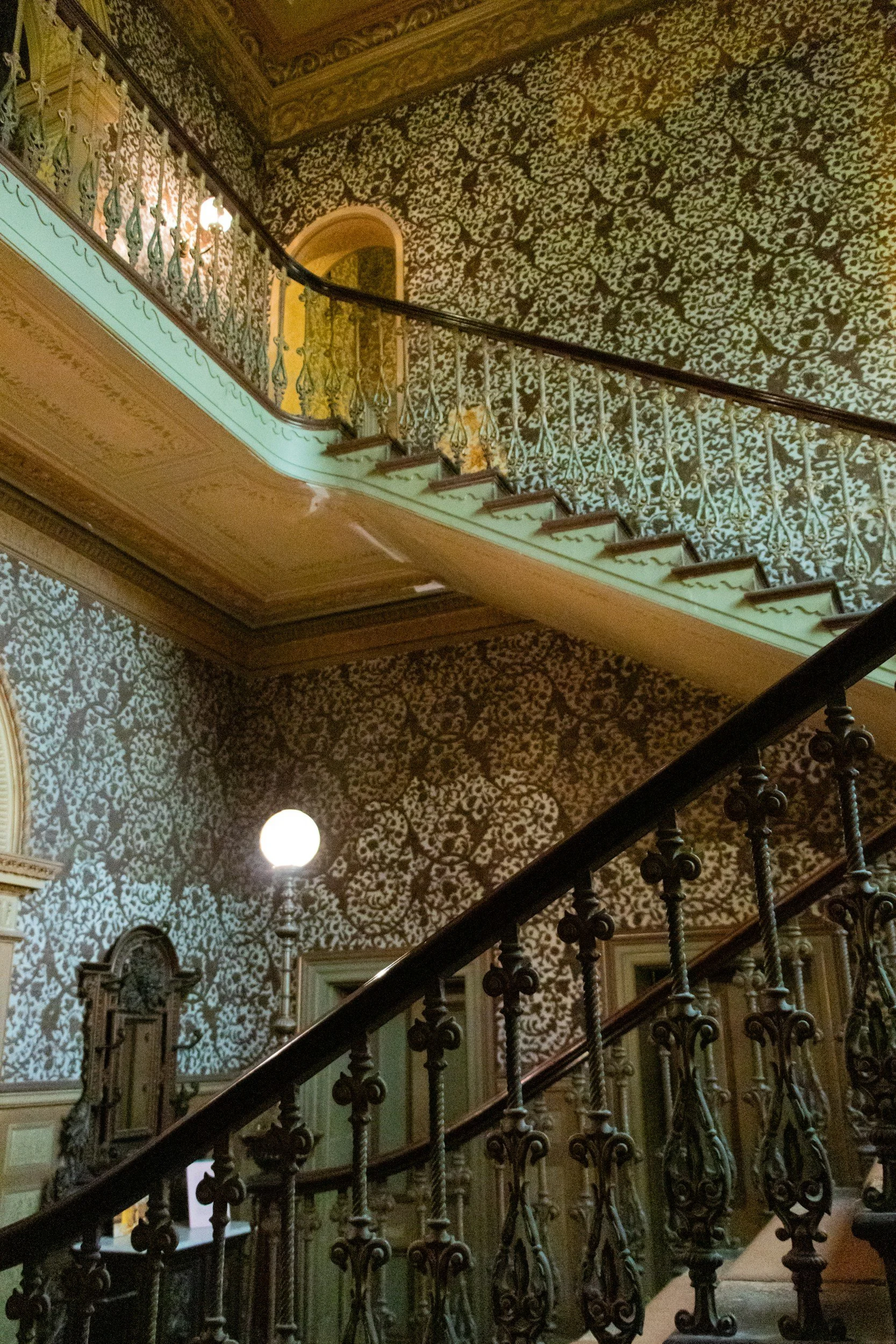
Architectural Character & Interior Ornament (Briefs 17, 18, 34): Highlights character-defining features and decorative details with preservation strategies.
Flat and Ornamental Plaster (Briefs 21 & 23): Notes the presence of traditional plaster surfaces and outlines repair-compatible treatments.
Interior Paint (Brief 28): Offers guidance on restoring or preserving historic paint schemes.
Ceramic Tile Floors (Brief 40): Identifies decorative tile flooring with recommendations for preservation.
-
Energy Efficiency (Brief 3): Recommends preservation-sensitive strategies for improving energy performance.
HVAC Systems (Brief 24): Advises on integrating modern systems with minimal disruption to historic fabric.
Accessibility (Brief 32): Suggests modifications that improve access while retaining historic integrity.
Building Codes for Historic Structures (Brief 51): Offers planning guidance for navigating code requirements within preservation frameworks.
Underground Features & Mothballing (Briefs 31 & 20): Supports informed decisions about unused structures and long-term care.
-
Exterior Additions (Brief 14): Recommends compatible design approaches for new additions.
Wooden Porches and Awnings (Briefs 44 & 45): Notes these features and provides guidance for preservation and repair.
Historic Barns and Outbuildings (Brief 20): Identifies secondary structures and outlines preservation opportunities.
Decorative Features (Brief 34): Highlights architectural ornament and provides treatment recommendations.
Architectural Investigation (Brief 35): Encourages research to support informed preservation planning.
Starting at $625
Owning a historic home is both a privilege and a responsibility. Unlike a traditional property inspection, a Historic Home Inspection is specifically tailored to older homes and provides not only a full evaluation of the property’s systems and structure, but also a Preservation Assessment Report that highlights the architectural integrity and historic character of your property. We follow state-mandated Standards of Practice, with the added depth of historic preservation expertise.
Why Choose a Historic Home Inspection?
Historic properties have unique needs that standard inspections often overlook. We provide:
Preservation Expertise – Knowledge of roofing, masonry, wood, plaster, and adobe systems specific to historic homes.
Maintenance Insights – Identifying issues like improper repointing, moisture intrusion, or inappropriate cleaning methods that can accelerate deterioration.
Energy Efficiency Guidance – Balancing comfort and sustainability without compromising historic character.
Trusted Advocacy – Helping owners make informed decisions about preservation-sensitive repairs and upgrades.
Contact us
Questions? Fill out some info and we will be in touch shortly. We can’t wait to hear from you!